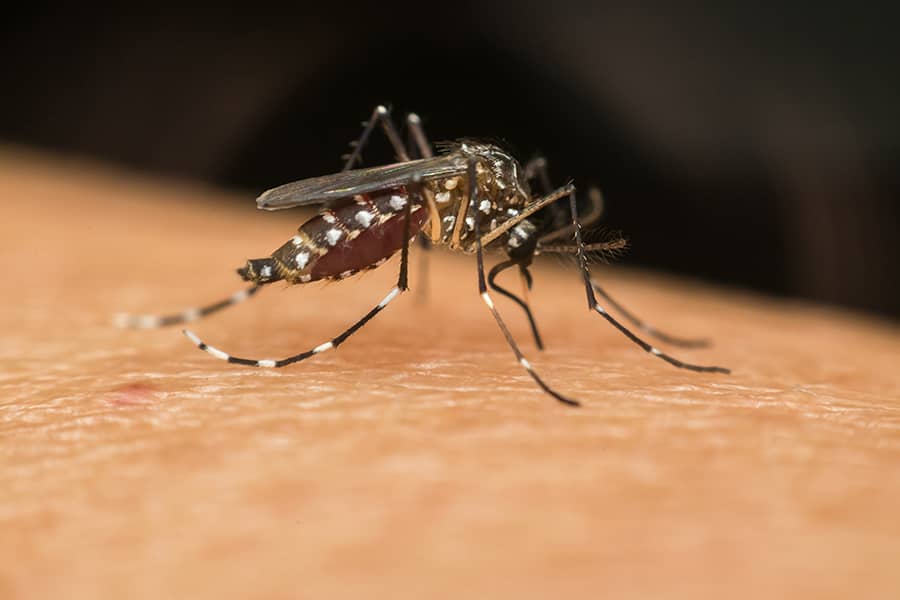
A cluster of dengue fever cases linked to local mosquitoes has been reported in Los Angeles County.
Overview of Dengue Fever in LA
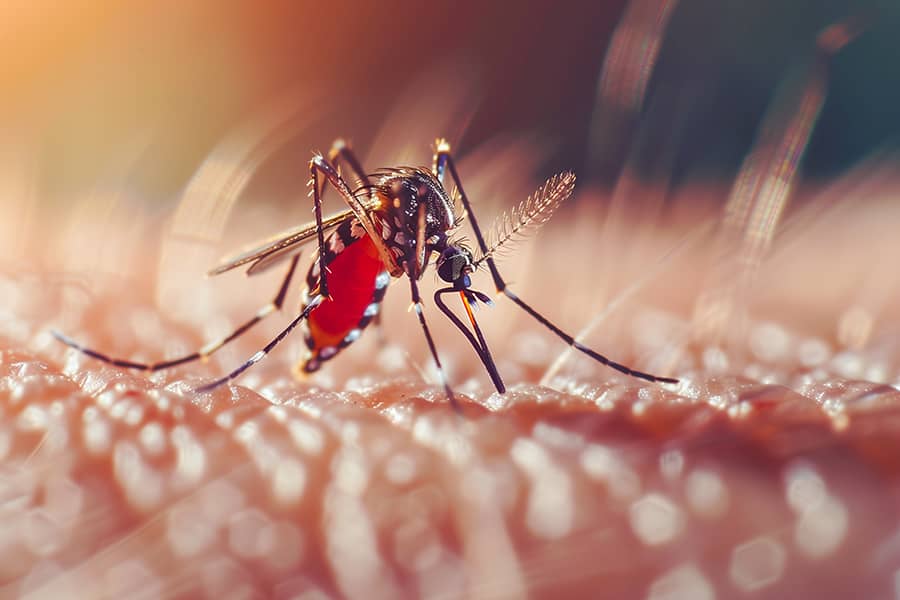
Dengue fever, often dubbed the breakbone fever due to the severe pain it inflicts on sufferers, has emerged as an unexpected health concern in Los Angeles County. Traditionally linked to tropical climates, this viral illness is transmitted primarily by Aedes mosquitoes, particularly Aedes aegypti and Aedes albopictus. With climate change extending the range of these carriers and urban environments providing ripe breeding grounds, experts warn that dengue’s foothold in LA may be just beginning. The recent cluster of cases serves as a stark reminder that diseases once thought confined to distant locales can infiltrate even the most unsuspecting communities.
Public health officials are now grappling with not only treating those infected but also implementing proactive measures to curb mosquito populations. Community awareness campaigns are vital; residents need urgent information about how they can minimize standing water and promote effective repellents. Moreover, local ecosystems must be understood better so future outbreaks can be anticipated and managed more efficiently. As LA navigates this new terrain of infectious disease risk, fostering community resilience is essential—highlighting an intersection of human health and environmental stewardship that echoes beyond borders and seasons.
Current Situation: Recent Case Cluster Details
The recent surge of dengue fever cases in Los Angeles County highlights a changing climate where tropical illnesses are starting to invade once temperate areas. In examining these occurrences, health authorities have noted an increase in Aedes mosquitoes, the main carriers of the virus, flourishing in specific spots with stagnant water and higher temperatures. This scenario not only emphasizes the resilience of vector species but also raises alarms regarding public health preparedness and response measures.
Notably, specialists point out that this may serve as an early warning sign of shifting ecological patterns triggered by climate change. As temperatures climb and precipitation patterns evolve, previously stable habitats might experience new outbreaks of diseases once considered limited to tropical regions. The repercussions are significant: immediate action on mosquito management within LA neighborhoods is urgent, and there is a pressing need for a wider reassessment of how urban development can reduce such health threats in the future.
What is Dengue Fever? Key Facts Explained
Dengue fever, often referred to as breakbone fever, is a mosquito-borne viral infection that can lead to severe flu-like symptoms and sometimes debilitating complications. The disease is primarily transmitted by the Aedes aegypti and Aedes albopictus mosquitoes, which thrive in tropical and subtropical climates but have increasingly made their way into temperate regions like parts of California. Notably, dengue isn’t just a summer concern; these mosquitoes are active during the day, heightening the risk for outdoor activities at any time of year.
In recent years, dengue fever has emerged as a global health threat with increasing cases reported worldwide. The panic surrounding outbreaks can be exacerbated by lingering misconceptions—many believe that only those traveling to endemic areas are at risk. However, local transmission of dengue can occur when thriving mosquito populations overlap with susceptible individuals; this reality makes awareness crucial even in non-tropical regions. Public health messaging now emphasizes prevention through community engagement—initiatives such as eliminating standing water and promoting protective measures against bites are essential in curbing outbreaks like the one currently affecting Los Angeles County. Understanding dengue fever’s complexities not only sheds light on its immediate impact but also highlights the importance of proactive health measures at every level—from individual choices to public policy initiatives.
Symptoms and Risks: Recognizing Dengue Fever Early
Dengue fever, often overshadowed by other common mosquito-transmitted illnesses, presents a unique challenge as urban environments become increasingly hospitable to its vectors. Early recognition of the symptoms is critical in curbing the spread and mitigating severe outcomes. Initial signs mimic those of flu or viral infections—high fever, intense headaches, severe joint and muscle pain, and rashes—but it’s crucial not to dismiss these early indicators. As symptoms progress within a few days, individuals may experience abdominal pain and persistent vomiting; this is when dengue can escalate into its more dangerous forms.
The risks associated with dengue extend beyond personal health complications; they also involve community well-being. Dengue hemorrhagic fever—a severe manifestation that leads to bleeding and shock—can occur if the initial infection goes unmonitored or untreated. This underscores the importance of vigilance in recognizing symptoms early on—not just for individual safety but for protecting vulnerable populations around you. Awareness campaigns and prompt reporting can play vital roles in reducing transmission rates as we navigate this local outbreak. Recognizing these red flags empowers communities not only to respond swiftly but also fosters an environment where collective action can thrive against this growing public health concern.
Prevention Strategies: How to Protect Yourself
Preventing dengue fever requires a proactive approach to limit mosquito exposure and reduce breeding sites. One effective strategy is to eliminate standing water around your home and community. This includes regularly emptying containers, cleaning gutters, and ensuring proper drainage in residential areas—small pools of water can become breeding grounds for Aedes mosquitoes in just a few days. Additionally, employing natural repellents like citronella candles or planting mosquito-repelling plants such as marigolds or lavender can bolster individual protection while enhancing outdoor spaces.
Moreover, it’s crucial to adopt personal protective measures during peak mosquito activity times, particularly early mornings and late afternoons. Wearing long sleeves and using insect repellent with DEET or picaridin on exposed skin significantly reduces the chances of bites. Engaging with local health initiatives can also amplify community efforts; participating in neighborhood clean-up events not only fosters social ties but directly contributes to the eradication of potential breeding sites. By combining these individual actions with community awareness campaigns about dengue fever risks, we can create an environment that minimizes the threat posed by this disease while fostering public health security for all.
Public Awareness: Importance of Education Campaigns
Education campaigns play a pivotal role in managing public health crises like the recent rise in dengue fever cases linked to local mosquitoes. These initiatives serve not just to inform but to empower communities with knowledge about prevention strategies and awareness of the symptoms associated with the disease. By equipping residents with information on how dengue is transmitted and ways to eliminate potential breeding grounds, these campaigns foster a proactive rather than reactive approach, encouraging individuals to take charge of their own health.
Moreover, education initiatives can bridge gaps between communities and public health authorities by establishing trust and open communication channels. When citizens are educated about environmental factors contributing to mosquito proliferation—such as standing water or cluttered yards—they’re more likely to participate in community clean-up efforts and adopt preventive measures at home. This grassroots involvement amplifies the effectiveness of educational messaging, turning collective concern into actionable change that benefits entire neighborhoods. In this interconnected age, where information travels rapidly through social media platforms, targeted campaigns can effectively spread awareness quickly while engaging diverse audiences across various demographics.
Conclusion: Staying Informed on Health Risks
As we navigate the emerging health risks associated with outbreaks like dengue fever, staying informed is crucial in safeguarding our communities. This responsibility goes beyond merely reading headlines; it calls for a proactive approach to understanding the science behind disease transmission and prevention. By tapping into credible sources—public health departments, infectious disease experts, and community outreach programs—we empower ourselves to not only protect our families but also contribute to communal efforts aimed at combating mosquito-borne illnesses.
Additionally, fostering awareness about local vectors can significantly change behavior within our neighborhoods. For instance, simple actions like eliminating standing water or using insect repellent can create a ripple effect of prevention. Engaging with local initiatives that promote vector control and education elevates civic responsibility while enhancing public health resilience. Ultimately, by remaining vigilant and informed about these emerging threats, we can turn knowledge into action—transforming fear into a collective effort for a healthier future.
Recent Posts
-

Books That Will Spark Your Passion for Reading
September 22, 2024