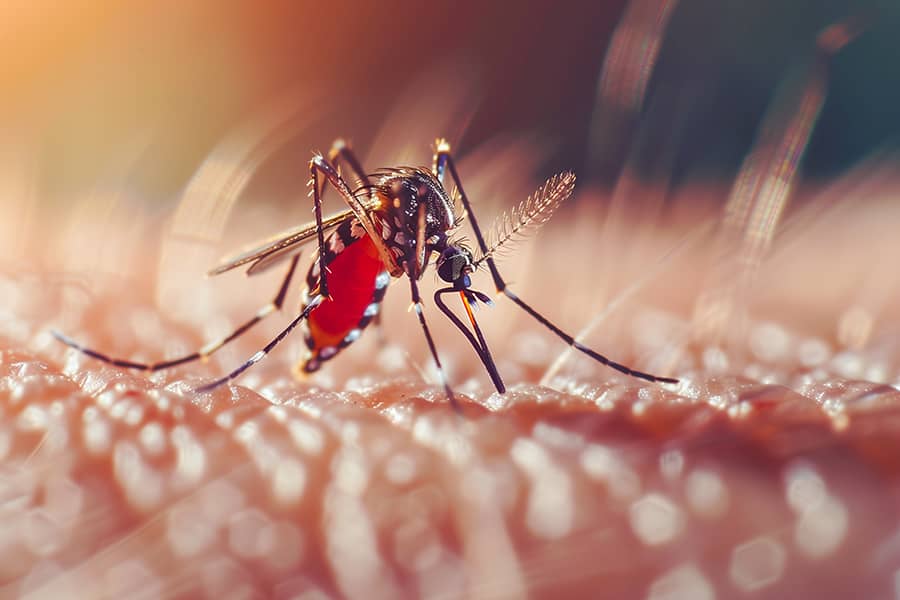
New York is on heightened alert following the death of a woman from the EEE virus transmitted by mosquitoes.
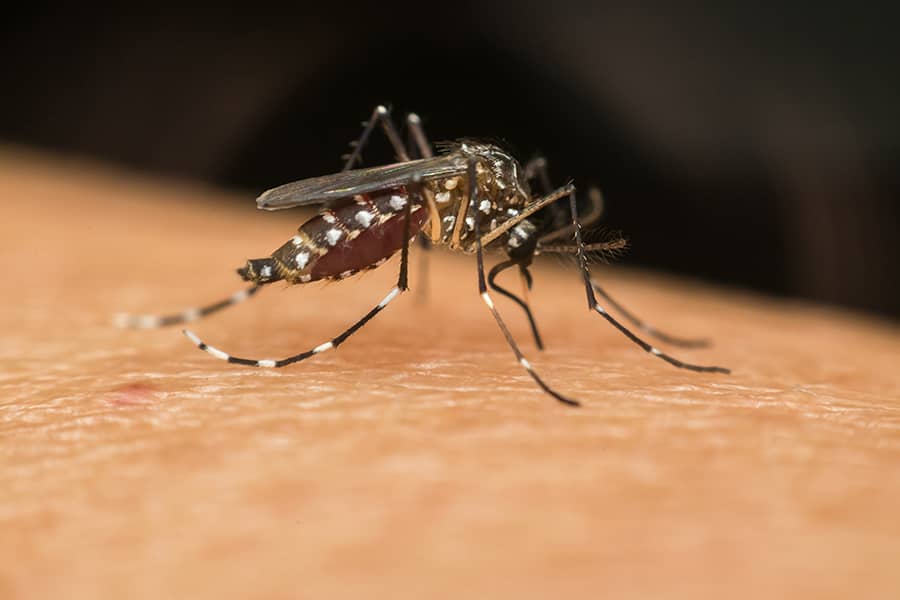
New York’s Response to EEE Virus
New York’s response to the recent EEE virus tragedy underscores a heightened urgency in public health initiatives, as officials ramp up surveillance efforts. As residents navigate their outdoor summer activities, health authorities are not only increasing mosquito control measures but also launching extensive community awareness campaigns. These initiatives aim to educate people about preventive measures and encourage them to adopt personal protective strategies like wearing repellents and eliminating standing water around their homes.
Moreover, this incident serves as a stark reminder of the changing dynamics in vector-borne diseases spurred by climate change. With warmer temperatures extending mosquito breeding seasons, public health experts are urging communities to adapt quickly and strategically. Innovative technologies—like drone surveillance for detecting mosquito populations—are being considered as part of New York’s comprehensive strategy against this alarming threat. The fall-out from EEE emphasizes that while individual vigilance is vital, coordinated community responses will be essential in safeguarding public health moving forward.
Understanding the EEE Virus and Transmission
The Eastern Equine Encephalitis (EEE) virus, a rare but severe mosquito-borne illness, poses significant health risks to both humans and horses. Once transmitted through the bite of an infected mosquito, the virus can lead to serious neurological conditions, often resulting in encephalitis—a swelling of the brain—that can cause lasting disabilities or even death. While many may associate EEE primarily with rural areas or agricultural settings, it’s crucial to understand that urban environments are not immune; stagnant water sources found in cities can provide perfect breeding grounds for mosquitoes.
New York’s heightened vigilance following the recent tragedy highlights another layer of concern—the intersection between climate change and disease transmission patterns. Warmer temperatures have expanded the habitats suitable for certain mosquito species, allowing them to thrive well beyond their traditional ranges. This shift demands not just local awareness but also a community response that includes preventative measures like eliminating standing water and using repellents during peak hours when these insects are most active. Understanding these dynamics is essential as we navigate a future where such viruses could become more prevalent due to shifting ecological factors and changing human behaviors.
Recent Case: Woman’s Death in New York
The recent passing of a woman in New York from the Eastern Equine Encephalitis (EEE) virus has reverberated through communities already dealing with public health issues. Although EEE is a rare but serious mosquito-transmitted illness, this event highlights the wider effects of climate change and environmental transformations that are pushing mosquito habitats further north. With warmer conditions facilitating their proliferation, many experts caution that such outbreaks may become more frequent, igniting urgent conversations about preventive strategies that extend beyond mere public awareness.
Local officials are now challenged to strike a balance between ensuring community safety and maintaining environmental sustainability in their response actions. Recent measures include aerial spraying to manage mosquito populations; however, this method raises concerns regarding its ecological consequences and long-term effectiveness. Residents have turned to social media, advocating for more sustainable alternatives like enhanced funding for wetlands management and biodiversity projects that can naturally reduce insect populations while protecting local ecosystems.
Symptoms and Risks of EEE Infection
Eastern Equine Encephalitis (EEE) is an uncommon yet grave viral illness that may result in severe neurological issues. Symptoms generally begin with flu-like signs, including fever, chills, fatigue, and muscle soreness. However, the condition can progress swiftly, leading to more serious outcomes such as disorientation, convulsions, or even coma in severe instances. What makes EEE especially concerning is its high death rate; about 30% of individuals infected may not make it. Even if those who survive recover from the acute phase of the infection, they may face lasting effects like cognitive impairments or physical disabilities.
The factors contributing to EEE risk extend beyond mere mosquito bites; location is crucial. Certain areas are hotspots due to environmental circumstances that promote mosquito breeding and population expansion. This implies that urban settings with stagnant water or rural areas featuring marshlands could experience increased transmission rates during peak mosquito seasons—particularly in late summer and early autumn.
Community Awareness and Public Health Messaging
The recent passing of a woman due to the Eastern Equine Encephalitis (EEE) virus serves as a poignant reminder of the complex link between community awareness and public health communication. In an era where false information can spread as swiftly as any illness, equipping residents with precise and timely facts is essential. Local health agencies must not only articulate risks clearly but also involve communities in meaningful ways to cultivate a culture of readiness. This includes utilizing social media platforms, hosting neighborhood gatherings, and delivering public service announcements that connect on a personal level—promoting proactive practices such as removing stagnant water and applying mosquito repellent.
Additionally, engaging the community can convert public health messaging into collective action, sparking grassroots campaigns aimed at reducing mosquito populations. Programs like “adopt-a-spot” clean-up drives or informative workshops on vector management empower residents to take charge of their environment.
Government Actions and Emergency Measures
In light of the rising incidence of EEE cases, New York State has launched a series of proactive initiatives to tackle the threat of infected mosquitoes. These measures feature improved surveillance programs that leverage cutting-edge technology for tracking mosquito populations. This effort strives not only to pinpoint hotspots but also to equip health officials with the ability to predict possible outbreaks before they worsen. The blending of real-time data analysis with traditional public health methods highlights a transition towards a more responsive approach in addressing vector-borne diseases. Furthermore, local government entities have collaborated with community organizations to inform residents about prevention tactics. Awareness initiatives stressing personal protective practices—such as donning long sleeves and applying insect repellent—are being spread through various mediums, ranging from social media outlets to community gatherings. This grassroots engagement aims to empower individuals while cultivating a shared commitment to public health during this urgent time
Future Implications for Public Health Policy
As the tragic incident of a woman succumbing to the EEE virus highlights, public health policies must evolve to address emerging infectious diseases and their vectors in urban environments. Moving forward, policymakers need to invest in predictive analytics and data-driven surveillance systems that identify potential disease outbreaks before they escalate. By harnessing big data from various sources—weather patterns, human mobility trends, and even social media—it’s possible to anticipate mosquito populations and inform timely interventions.
Moreover, public health campaigns should emphasize community engagement, empowering residents with knowledge about preventive measures such as eliminating standing water and using repellents. Establishing collaborative frameworks between government agencies, local organizations, and healthcare providers will create a resilient ecosystem capable of responding swiftly to outbreaks. On a broader scale, it is critical for policymakers to advocate for climate action initiatives since changing environmental conditions are pivotal in shaping vector-borne diseases’ dynamics. Igniting this conversation may not only mitigate current risks but also foster a proactive stance against future threats lurking within our neighborhoods.
Conclusion: Staying Vigilant Against EEE Threats
As we move forward in the wake of recent events, it’s imperative to recognize that vigilance against Eastern Equine Encephalitis (EEE) is not merely a seasonal concern but a year-round commitment. The death of a New Yorker serves as a sobering reminder of the potential dangers lurking within our environment—particularly in the places we often take for granted, like local parks and backyards. We must cultivate an awareness that extends beyond just personal safety; community engagement plays a crucial role. Encouraging neighbors to report stagnant water or to participate in local mosquito control programs can create an atmosphere of collective responsibility.
Moreover, education is key in this battle against EEE threats. Empowering residents with knowledge about preventive measures—such as wearing protective clothing during peak mosquito activity and using effective repellents—can significantly diminish risk factors. Additionally, fostering partnerships between health officials and community organizations can facilitate timely dissemination of information regarding outbreaks and best practices for prevention. Together, by staying informed and proactive, we can transform our communities into resilient bastions against EEE, ensuring this tragic incident fuels change rather than fear.
Recent Posts
-

Books That Will Spark Your Passion for Reading
September 22, 2024