
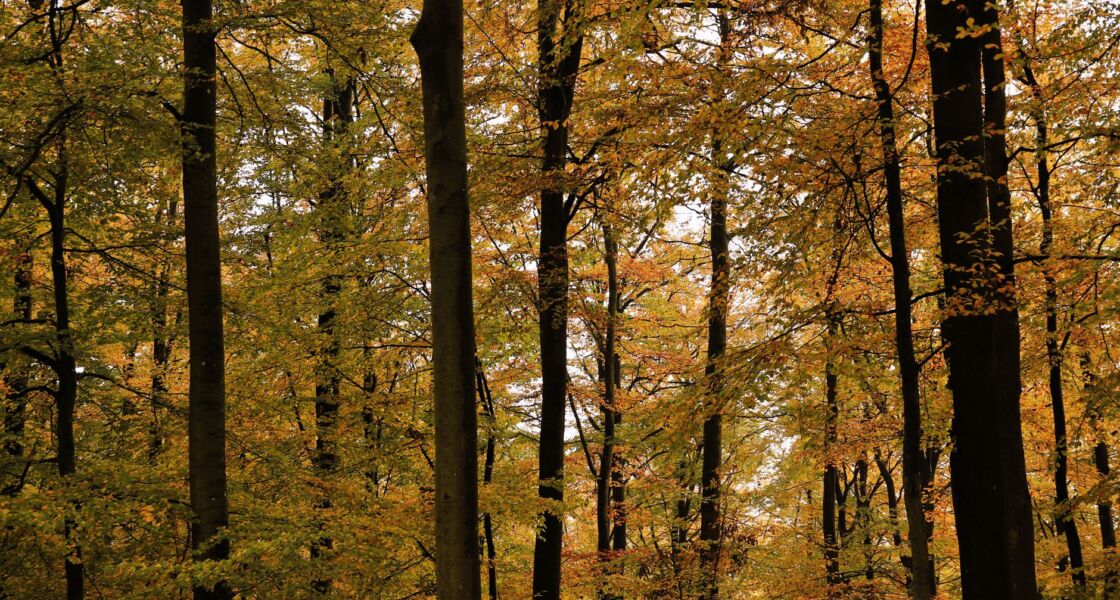
Every fall, whole hillsides catch fire with yellow, orange and red. It looks like the trees are making brand-new colors just for the season. Most of the time, they are not.
The yellows and oranges were hiding in the leaves the entire summer. You just could not see them, because a much stronger color was painting over the top.
Green Is Just the Loudest Color
All summer, a leaf is a tiny food factory. It is packed with a green pigment called chlorophyll, which uses sunlight to turn air and water into sugar the tree can eat. There is so much chlorophyll that the leaf looks solid green.
But chlorophyll is not the only pigment in there. Alongside it sit yellow and orange pigments called carotenoids. These are the same kind of pigments that make a carrot orange. They are in the leaf all summer long, just drowned out by all that green.
When the chlorophyll fades, the green curtain drops. The yellows and oranges that were there the whole time finally get to show.
Why the Green Fades
Trees are not reacting to the first cold snap. They are watching the clock. As the days get shorter and the nights get longer, that growing stretch of darkness is the signal that winter is coming.
In response, the tree slows down and then stops making chlorophyll. Without a fresh supply, the green pigment breaks down in the sunlight and disappears. The leaf stops being a food factory, and the hidden colors step forward.
This is why fall color arrives on roughly the same schedule each year, even when the weather is warm. The length of the night does not care how mild the afternoon felt.
Each Tree Mixes Its Own Color
Once the green is gone, the color you see depends on which pigments are left in that particular leaf. Every kind of tree keeps a slightly different mix, which is why a single hillside turns into a patchwork instead of one flat color.
Carotenoids, the pigments that make carrots orange, turn the leaves of trees like aspens, maples and birches into shades of yellow and gold. An aspen grove can go pure butter-yellow while the maple next to it burns red. The tree is not choosing a color so much as showing you the recipe it was carrying all along.
Where the Reds Come From
Red and purple are the exception. Those colors, made by pigments called anthocyanins, are not hiding in the summer leaf at all. The tree builds them fresh in the fall.
To make them, a leaf needs leftover sugar and sunlight. On bright fall days the leaf is still making sugar, but as the nights turn cool, the tree seals off the leaf and traps that sugar inside. The leftover sugar, plus the sunshine, is the recipe for red.
That is why the showiest reds tend to follow sunny days and crisp, cool nights. It is also why a red maple can blaze one year and look dull the next, while a yellow birch stays dependably gold.
Why Some Falls Are More Vivid
If you have noticed that some autumns are stunning and others are a bit of a letdown, the weather is the reason. The timing and brightness of the colors shift from year to year, even on the same trees.
Warm, sunny days paired with cool nights that stay above freezing are the sweet spot, especially for red. Those conditions keep the sugar factories running by day and lock the sugar in by night.
Gray, rainy falls tend to mute the colors, because clouds mean less sunlight and less sugar. An early hard frost can cut the show short, damaging leaves before they finish turning. A long soaking rain or a strong wind can strip the leaves off the branches before you get a chance to look up.
Why the Leaves Let Go
The color is only half the story. At the same time the leaf is changing, the tree is quietly building a trapdoor.
Where the leaf stem meets the twig, a special layer of cells forms and slowly dries out. It seals the leaf off from the tree, cutting the flow of water in and sugar out. This is called the abscission layer, and it is the tree deliberately letting go.
Once that corky layer is complete, the leaf is barely attached. A gust of wind or its own weight is enough, and it drifts down. The tree is not losing its leaves by accident. It is dropping them on purpose, closing up shop so it can ride out the winter on stored energy.
There is a good reason to let go. Broad, flat leaves are fragile, and keeping them through a freezing, dry winter would cost the tree more water and energy than they are worth. By shedding them, the tree seals itself up and lives off the sugar it banked all summer until spring, when it grows a fresh set.
So the next time a maple lights up red and a whole street turns to gold, remember the colors were mostly waiting there all along. Fall does not paint the leaves. It just stops hiding them.