
There is an animal smaller than a grain of salt that can dry out, get sent to space, come back, and simply carry on. People call it the water bear. Scientists call it the tardigrade, and it is one of the toughest tiny animals we know of.
A Bear the Size of a Dust Speck
A tardigrade is about half a millimeter long. That is roughly the width of the period at the end of this sentence, far too small to see clearly without a microscope.
Under the lens, it looks like a plump, eight-legged bear lumbering along in slow motion. That rolling walk is how it earned the nickname water bear. Each stubby foot ends in four to six tiny claws.
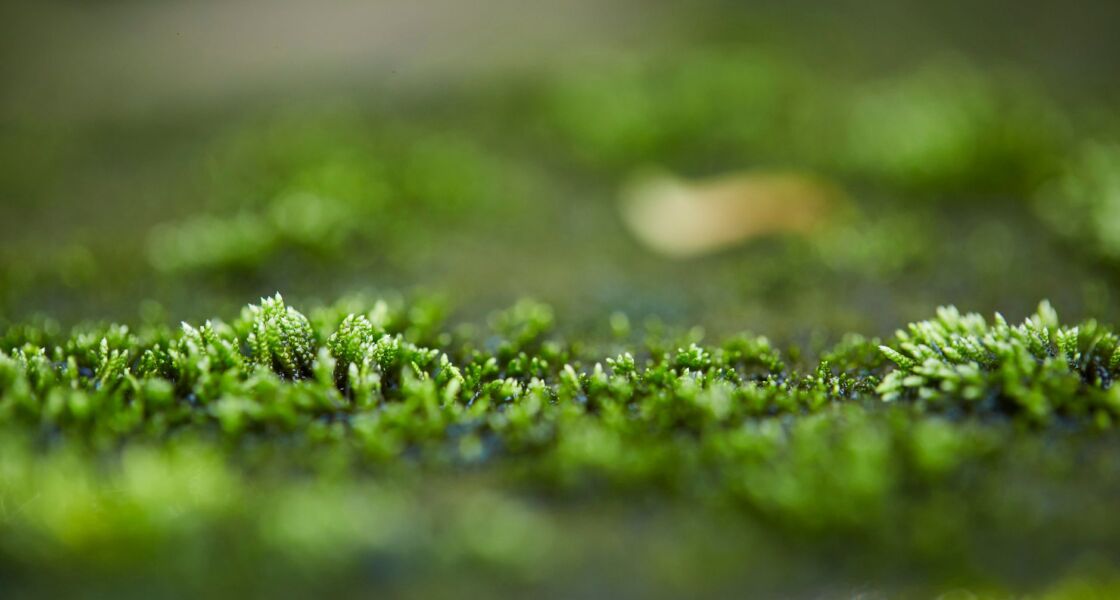
They are not rare, either. Tardigrades live all over the world, from deep ocean floors and hot springs to sand dunes and the damp clumps of moss and lichen growing on a tree or a rooftop. You have almost certainly walked past millions of them.
Why It Needs a Thin Film of Water
For all its toughness, an active, wide-awake tardigrade is surprisingly delicate. It needs a thin layer of water around its body at all times, or it starts to dry out.
So what happens when the moss it lives in dries up in the sun? Most small animals would simply die. The tardigrade has a different trick.
The Trick: Becoming a Tun
When its home dries out, a tardigrade pulls in its head and all eight legs, pushes almost all of the water out of its body, and curls into a tiny dried-out ball. Scientists call this shriveled shape a tun.
In tun form, the animal nearly shuts down. Its metabolism, the pace at which its body runs, slows to a sliver of normal. It is not quite alive and not quite dead, just waiting. Add a drop of water, and the tardigrade can plump back up and walk away, sometimes years later.
This is the key to the whole story. The famous survival feats belong to the tun. A hydrated, active tardigrade going about its day is far more fragile than the dried-up version.
What the Tun Can Survive
In the tun state, a tardigrade can take punishment that would end almost any other animal. According to National Geographic, tardigrades can endure temperatures near absolute zero, the coldest anything can get, and can also survive above the boiling point of water.
They can handle pressure about six times greater than the crushing depths of the ocean’s deepest trenches. And a dried tardigrade can wait out long stretches with no food and no water at all.
It helps to be clear about the limits. These are brief, extreme exposures survived by the dried tun, not a comfy lifestyle. Steady high heat still kills a tardigrade. It is remarkably tough, not indestructible.
The Day Water Bears Went to Space
In September 2007, the European Space Agency ran an experiment with a wonderful name: TARDIS, short for Tardigrades in Space. Researchers sent about 3,000 water bears into orbit aboard the uncrewed Foton-M3 spacecraft for roughly 12 days.
Out there, the tardigrades were exposed to the raw vacuum of space and to cosmic radiation, with no suit and no shelter. As project leader Ingemar Jonsson put it, the vacuum and radiation “were not a problem for water bears.” Many came back alive. It made the tardigrade one of the only animals known to survive open space.
Space agencies are still curious. NASA has flown tardigrades to the International Space Station to study the exact genes that help them cope with extreme stress. The hope is that learning their tricks might one day help protect astronauts on long missions far from Earth.
A Quiet Life in the Moss
Strip away the superhero headlines and the day-to-day tardigrade is a gentle thing. It creeps through films of water on moss and lichen, feeding on plants and tiny microbes, poking at cells with needle-like mouthparts.
Its tun trick did not evolve for space travel. It evolved for a much smaller problem: a patch of moss that dries out in the afternoon sun and soaks up rain the next morning. The water bear simply learned to pause until the water came back.
The next time it rains, look at the green moss on a wall or a tree. Somewhere in there, bears the size of dust specks are waking up and going for a walk.