
A shrimp the length of your finger carries a claw that works like a loaded spring. When it snaps, it fires a bubble. That bubble collapses with a crack so sharp it can stun a fish, flash a tiny spark of light, and briefly heat the water to thousands of degrees.
One Claw, Oddly Oversized
The pistol shrimp, also called the snapping shrimp, belongs to a big family of crustaceans with hundreds of species. Most are small, around 1.5 inches (4 cm) long, and they live on warm reefs and in muddy burrows on the seafloor.
One thing sets them apart. The shrimp has two front claws, and one of them is huge, almost half the length of its body. That oversized claw is not for grabbing. It is a snapping weapon.
The top half of the claw cocks open like a hammer. Muscles load it with tension. Then the shrimp lets go, and the claw snaps shut in a blink, far too fast for the eye to follow.
The Trick Is a Bubble
Here is the part that surprises people. The loud snap does not come from the two halves of the claw banging together. It comes from a bubble.
When the claw snaps shut, it shoots out a jet of water so fast that the water behind it cannot keep up. The pressure drops, and a pocket of vapor forms. Scientists call this cavitation: a bubble that appears when water pressure suddenly falls.
That bubble lasts only an instant. As the water rushes back in, the bubble collapses on itself with astonishing force. The crack you hear is the bubble popping, not the claw clapping. The shock wave from that collapse is what stuns or even kills small fish and other prey nearby.
Hotter Than You Would Guess
When that tiny bubble collapses, the conditions inside it get extreme. Researchers have measured temperatures above 5,000 degrees Celsius (about 9,000 degrees Fahrenheit) at the moment of collapse, nearly as hot as the surface of the Sun.
The heat lasts for only the briefest flash, in a space smaller than a grain of sand, so the shrimp is never in danger. But it is a reminder of how much energy is packed into that one snap.
Stranger still, the collapsing bubble gives off a quick spark of light. Scientists named this effect “shrimpoluminescence,” a playful spin on sonoluminescence, which is light made when a bubble collapses hard enough. The bubble gets so hot and so squeezed that the gas inside starts to glow. The flash is far too faint and far too fast for your eye to catch.
One of the Loudest Animals in the Sea
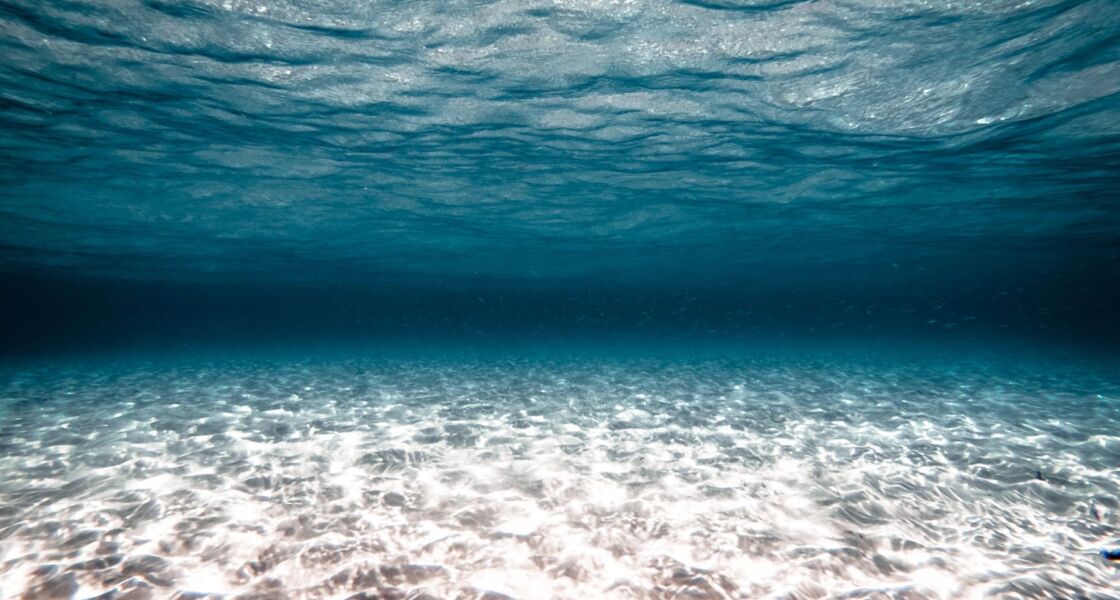
Put a lot of these shrimp together and the ocean gets noisy. Snapping shrimp are among the loudest animals in the sea. In big colonies, their constant popping has been described as sounding like sizzling fat, or even like a passenger jet passing overhead.
A single snap is brief, but underwater the sound carries, and a reef full of snapping shrimp fills the water with a constant background crackle. To be clear, this is an underwater sound: it travels through water, not air, so you would not hear a gunshot if one snapped next to you on land.
A Shrimp With a Bodyguard
For all its firepower, the pistol shrimp has a weak spot. It cannot see well. So some species team up with a small fish called a goby in one of the ocean’s tidiest partnerships.
The shrimp is the digger. It builds and cleans a burrow in the seafloor that both animals share. The goby is the lookout. It sits at the burrow entrance and keeps watch, because its eyes are far sharper than the shrimp’s.
The shrimp keeps one long antenna resting on the goby’s body the whole time it works. If danger shows up, the goby flicks its tail, and both animals dart into the burrow. Each one gives the other something it lacks: a safe home, and a good pair of eyes. This kind of win-win teamwork is called mutualism.
Small Hunter, Big Punch
Pistol shrimp are not picky eaters. The bigclaw snapping shrimp of the western Atlantic feeds on worms, other crustaceans, shellfish, small fish and even bits of algae. The snapping claw helps it hunt and also warns off rivals that wander too close to its patch of reef.
So the next time someone tells you the loudest things in the ocean are whales, you can mention a shrimp the size of your finger. It does not sing. It snaps. And with one bubble, it brings the heat.